

"I've changed my cleanser and reduced my cosmetics, but they keep coming up." "I wonder if it's because I don't wash thoroughly, so I wash my face several times a day." "I just end up asking how many management programs I need to receive."

When consulting about acne at a Pyeongtaek dermatology clinic, we often hear these stories. Acne is a disease where sebum secretion, clogged pores, microbial action, and inflammatory reactions are intertwined, so increasing the frequency of facial cleansing does not solve the problem. Therefore, if you are looking for acne treatment in Pyeongtaek, we recommend that you first look at how your skin is diagnosed, rather than the number of extractions or management programs. The criteria for choosing a hospital ultimately lie in whether you can understand "why this diagnosis and why this treatment."
You Must First Distinguish Between Types of Acne

Small, bumpy closed comedones and red, painful inflammatory acne require different approaches. Lesions that feel firm deep in the skin may have a wider range of inflammation than their visible size, so the possibility of scarring must also be considered.
There are also cases where folliculitis or perioral dermatitis, which have similar appearances, are mistaken for acne. This is why we check when it first appeared, its recurring location, and the cosmetics and medications being used. The American Academy of Dermatology also advises examining the type and distribution of lesions, distinguishing them from other skin diseases, and then treating them. The first thing to check is whether the medical staff directly examines the skin and explains what type it is.
What We Check During Consultation
Acne treatment proceeds in a way that reduces existing lesions while preventing new inflammation and scars. A process of listening to explanations about which treatment targets which problem is necessary.
| Check Item | What is Examined During Consultation |
|---|---|
| Lesion Type | Presence of closed comedones, inflammatory type, deep nodules |
| Differential Diagnosis | Distinction from folliculitis and perioral dermatitis |
| Previous Treatment | Experience with irritation from topical medications, duration of oral medication use |
| Related Factors | Menstrual cycle, medications being taken, pregnancy status |
| Marks and Scars | Distinction between pigmented marks and pitted scars |
Topical medications are used to control the process of pore clogging or reduce inflammation, and if inflammation has spread widely or deep lesions recur, oral medications may also be considered. Extraction should only be performed on necessary lesions, and lasers or phototherapy are also applied depending on the skin condition and purpose. Rather than repeating the same procedure for all acne, it is better to confirm the necessity of medications and procedures, and the expected scope.
We Consider Previous Treatment Experience and Lifestyle Together

Even with the same prescription, reactions can differ depending on skin sensitivity and previous treatment experience. You should inform us if you experienced severe stinging when applying medication in the past, or how long you took oral medication, so we can distinguish whether the medication was unsuitable or if the method or duration of use needs adjustment. Acne that recurs with the menstrual cycle or lesions that appear after taking certain medications are also examined during the consultation.
If you are pregnant or planning a pregnancy, you must inform us before prescribing. In particular, oral isotretinoin can pose a serious risk to the fetus and cannot be used during pregnancy, and pregnancy prevention and testing guidance must accompany the prescription. Whether sufficient medical history taking and medication precautions are provided is the second item to check when choosing a Pyeongtaek acne treatment institution.
Marks and Scars Are Approached Differently

Red or brown marks remaining after acne subsides are primarily changes in color, while pitted scars involve damage to the skin structure. If new inflammation continues to occur, a plan to control the acne itself should be established first, along with scar treatment. You should check if the priority of the necessary treatment is explained and if the difference between marks and scars is clearly guided.
Squeezing with fingernails at home or scrubbing vigorously can increase the risk of irritation and scarring. It is better to maintain gentle cleansing and moisturizing, and reduce products that easily clog pores.
We Observe Progress and Adjust the Plan
Acne treatment is difficult to judge as a success or failure based on changes over a few days. The response should be observed for several weeks or more according to the prescription, and the number of new lesions, pain, dryness, and irritation should be checked together. It is also necessary to be informed of how to contact us if discomfort arises after treatment and the next evaluation point, and after improvement, it is possible to check whether maintenance management is needed to reduce recurrence.
Frequently Asked Questions
Can I just repeat extractions without a diagnosis? Some types of acne are not suitable for extraction, and the underlying cause of recurring lesions in the same spot may be missed. It is appropriate to identify the type and then extract only the necessary lesions. Will more frequent cleansing help? Acne is a disease involving sebum, pores, microorganisms, and inflammation, so it cannot be controlled by the frequency of cleansing alone. Maintaining gentle cleansing and moisturizing is appropriate. How do you distinguish between folliculitis and acne? The medical staff examines the lesions directly to distinguish them, checking when they appeared, their location, and the cosmetics and medications being used. Can I use medication if I'm planning a pregnancy? You must inform us before prescribing. Some medications, like oral isotretinoin, cannot be used during pregnancy, so pregnancy prevention and testing guidance must be provided together. When can I expect to see results? It may take several weeks or more depending on the prescription, and the plan is adjusted by observing the number of lesions, pain, and degree of irritation together.
If you are looking for an acne treatment institution in Pyeongtaek, check how they monitor skin changes afterward, rather than just the price of the first procedure. Explaining the basis of the diagnosis and the purpose of the treatment, and adjusting the plan according to adverse reactions, is important for continuing consistent treatment. A prescription and procedure that worked for someone else may not show the same reaction on your skin. Accurately diagnosing your current condition and creating a personalized plan comes first, and if you have any concerns about acne you are currently experiencing, you are welcome to inquire comfortably via Chat Consultation.
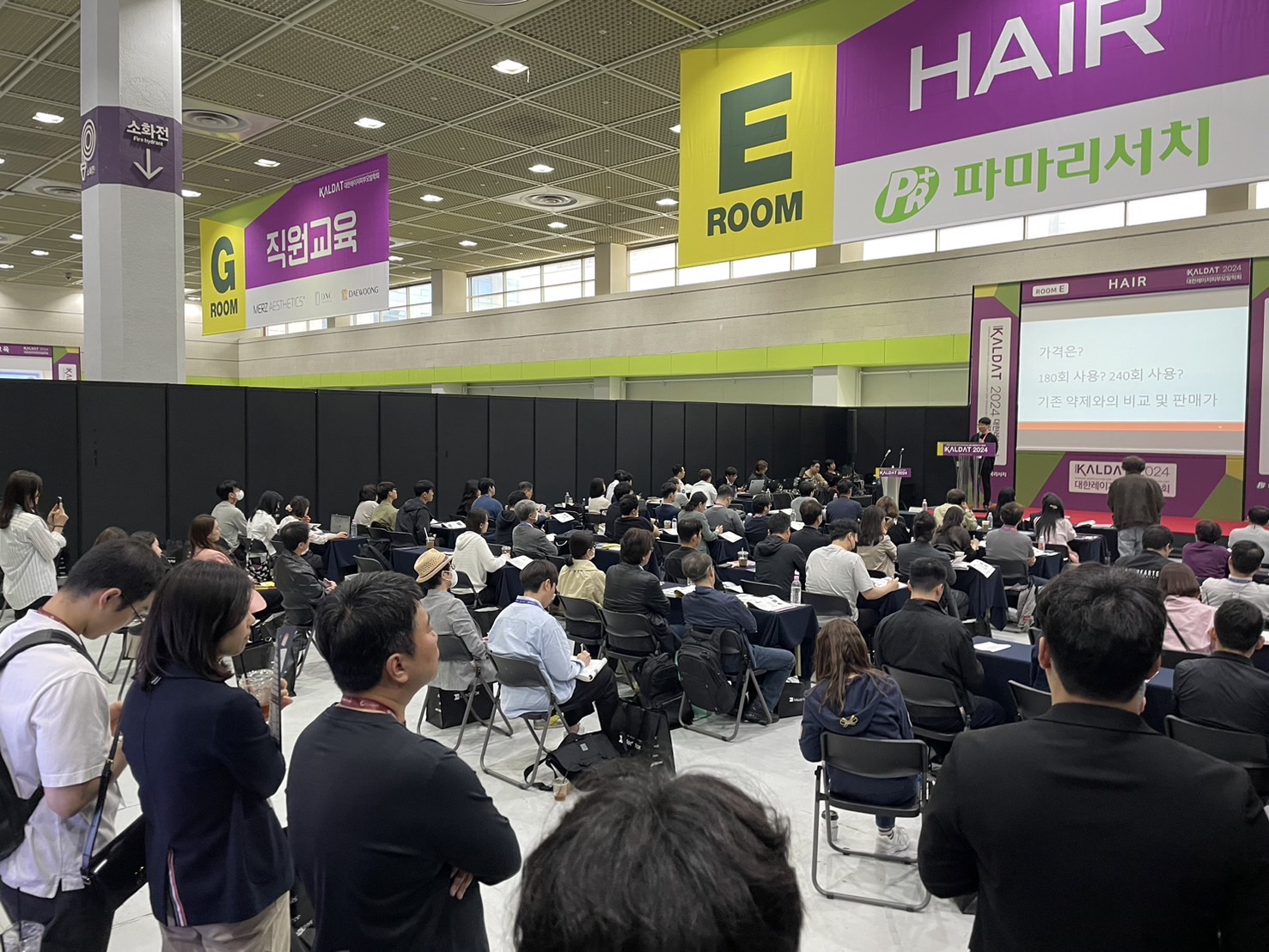
This article was reviewed by Park Min-soo (7th President of the Korean Society for Laser Dermatology and Hair, Adjunct Professor at Hanyang University College of Medicine) and Lee Yu-seok (Vice President of the Korean Society for Laser Dermatology and Hair, 20 years of clinical experience). Last reviewed 2026-09-14.