
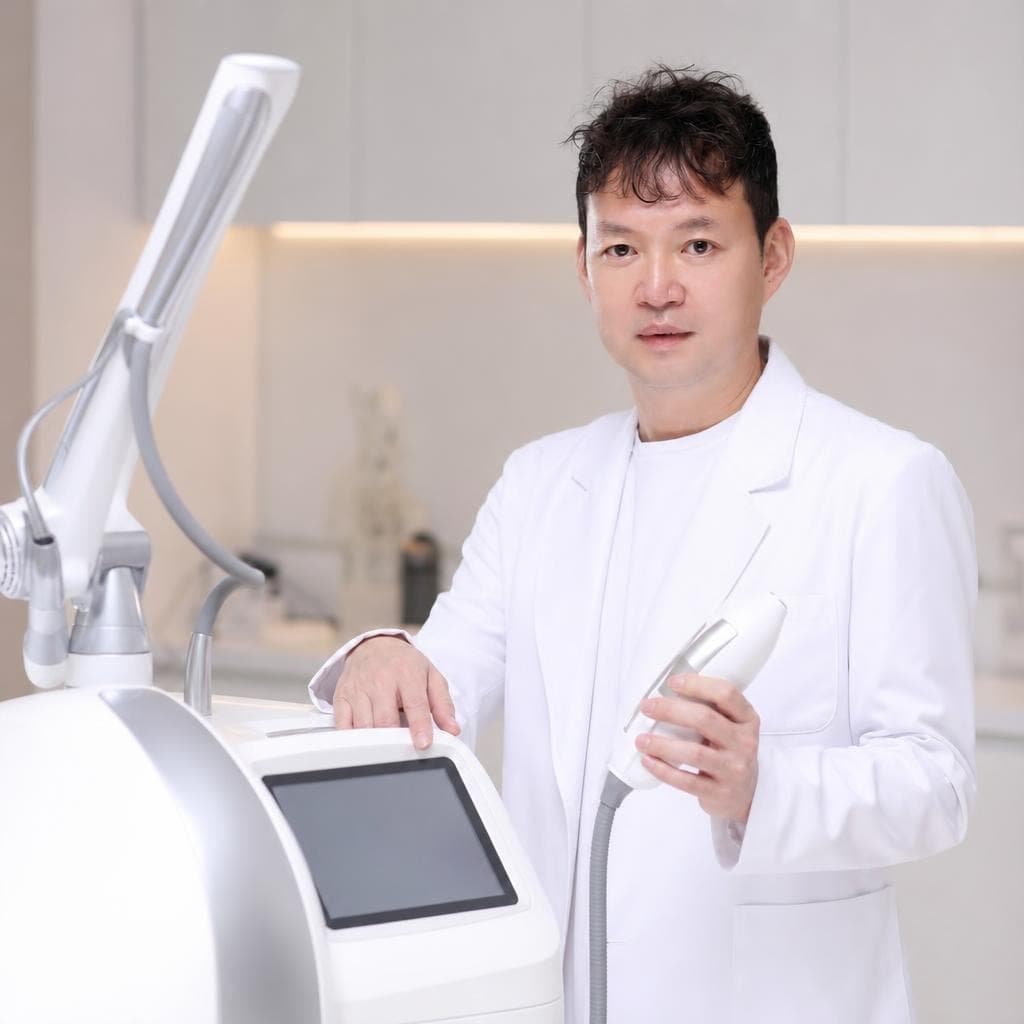
I often hear during consultations that while body weight has decreased, the face remains the same. The face is an area that changes differently from the torso, so applying the criteria for general obesity directly can easily lead to frustration. Since the structure of fat accumulation is different and sagging also occurs with age, it is difficult to pinpoint a single cause.
We will sequentially examine why facial fat responds particularly slowly, how changes vary by age group, how to distinguish whether the current problem is fat or elasticity, and then Recovery. If you are looking for facial contouring consultations in Pyeongtaek, we recommend checking these criteria first.
Why Facial Fat Responds Slowly
The face has a thin subcutaneous fat layer and is closely attached to the muscles. Therefore, it is difficult to expect a reduction in volume through exercise and diet alone, as is the case when dealing with general obesity.
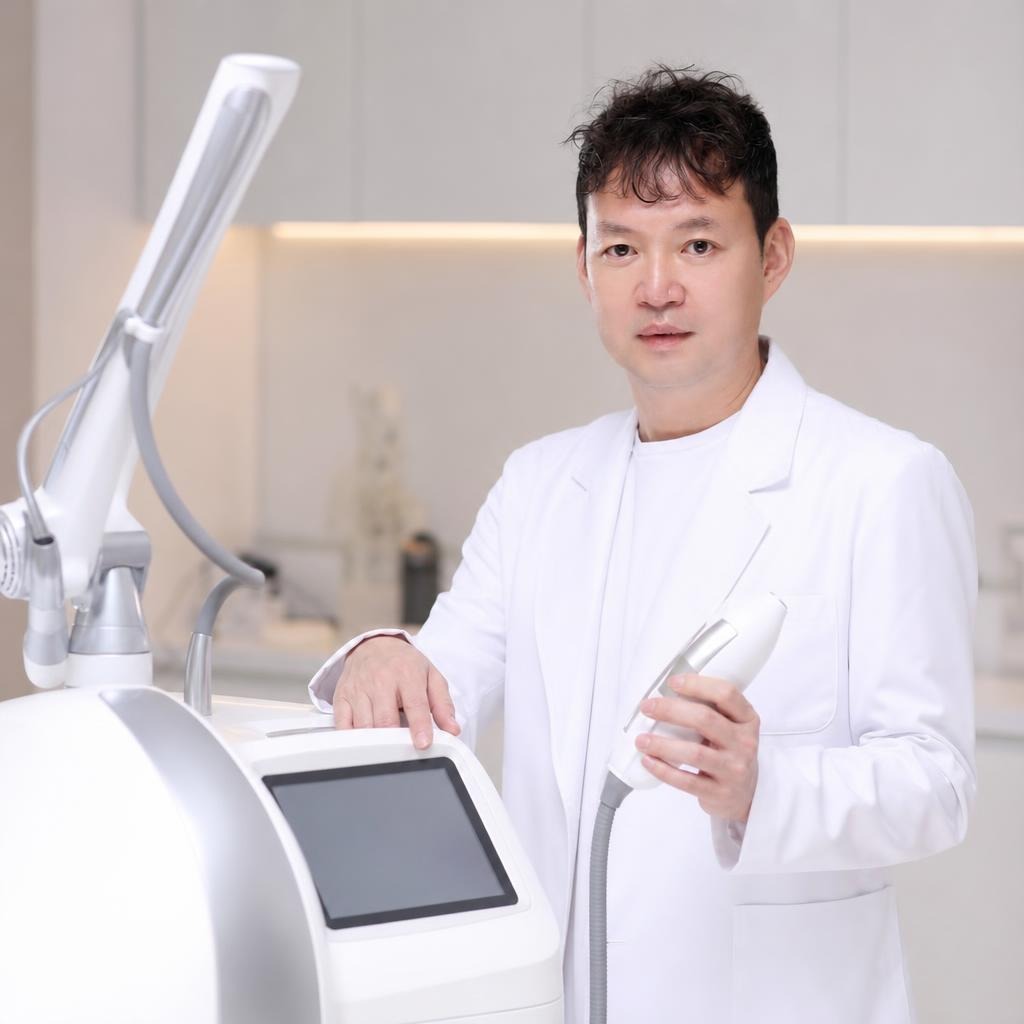
The cheeks, under the chin, and double chin have different concentrations of fat cells, so the response varies by area. If fluid retention or swelling overlaps with this, the face may appear larger regardless of the actual amount of fat. This is why the body weight graph and changes in facial contours do not move at the same speed.
It is not uncommon for people to feel that their face remains the same even after successful Support for healthy eating habits, which stems from the nature of facial fat layers moving later than those of the torso. Ultimately, you can consider the face an area that needs to be approached separately from general obesity.
Changes That Vary by Age Group
In your 20s, even with fat, the contours tend not to be significantly disrupted thanks to the underlying elasticity. As you move into your 30s, the elastic fibers supporting the skin gradually decrease, and even with the same amount of fat, sagging begins to appear.

After the age of 40, these two changes often overlap, and changes in the jawline and neck become noticeable before those in the cheeks. At this stage, reducing only fat may not restore the contour. Therefore, it is better to first identify which of the two factors plays a larger role depending on age.
There are also cases where body weight is within the normal range, but only the face retains volume. Therefore, many people seek consultations specifically for their jawline and cheeks, regardless of overall body obesity.
Distinguishing Between Fat and Loss of Elasticity
If you pinch your cheek fat with your hand and it feels thick, fat accounts for a larger proportion. If the volume you can pinch is small but appears to sag downwards, it is closer to an elasticity problem. If the cause is fat, methods to reduce fat in that area are considered; if it is elasticity, methods that stimulate the dermis are candidates.
For elasticity issues, radiofrequency devices like Thermage FLX and InMode are candidates. The principle is to deliver heat to the dermis to induce an elastic response. Devices that target deeper layers with ultrasound are also an option.

However, the two causes often overlap, making it difficult to attribute it solely to one. Therefore, a diagnosis that considers both factors together becomes the starting point for a management plan. Checking the degree of obesity can also help narrow down the cause. Fat accumulated due to obesity and loss of elasticity due to aging may look similar on the surface, but their properties are completely different, so starting management without distinguishing between them may make it difficult to see the desired changes.
Recovery and Management Difficulty
The time required for Recovery varies greatly depending on the method chosen. Methods that directly target the fat layer may leave swelling for a few days, so it is better to allow ample time to return to your usual schedule.
Radiofrequency or ultrasound, which induce an elastic response in the dermal layer, cause less swelling but show changes slowly, so they are managed over several sessions.

The difficulty of management also varies by area. Areas where muscles and fat overlap, such as under the chin, require more precise settings. The degree of swelling or sagging that appears varies from person to person depending on how thick the skin is and where the fat is concentrated. Therefore, when planning your schedule, we recommend calculating the time it takes for swelling to subside and the interval between sessions together. If you have an tendency towards obesity, it may be better to set a slightly more generous cycle.
When Swelling Is Mistaken for Fat
If your face feels particularly large in the morning and subsides somewhat in the afternoon, the problem may be fluid retention rather than fat. Salty foods, sleep duration, alcohol consumption, and even sitting posture can change the degree to which water remains in the face. If you start with an approach to reduce fat in this state, the expected changes may not be well-revealed.
Conversely, if the volume of the cheeks and under the chin is constant regardless of the time of day, the focus shifts to fat. When receiving a Consultation in Pyeongtaek, taking photos under the same lighting for a few days and bringing them can help distinguish between swelling and fat. For facial contour management, it is natural to choose a method after narrowing down the cause in this way.
Things to Confirm During Consultation
You should inform us in advance about any medications you are currently taking and the type and timing of any past facial procedures. If you have a history of Dermal Fillers or threads, it may affect the settings of heat-based devices. Thyroid disease, pregnancy, or breastfeeding status are also necessary information for assessment.
After the procedure, redness, swelling, and a feeling of pressure may remain for a few days, and rarely, burns or an uneven surface may appear. If pain gradually worsens or swelling appears only on one side, it is safer to seek medical attention without waiting for your next appointment. We recommend that you be informed in advance of the contact method and the timing of the next evaluation.
Frequently Asked Questions
Can I manage only my face separately? Facial fat is distributed differently from the torso, so it is often approached separately from general obesity management. Will my contours be defined after one session? For methods dealing with the fat layer, changes can only be assessed after swelling subsides, and for methods inducing elasticity, changes appear slowly and may require several sessions. Can I decide on the method based solely on age? Since the proportion of fat and elasticity varies even within the same age group, it is appropriate to determine the method after directly checking skin thickness and the degree of sagging.
Changes in facial contours often involve both factors, making it difficult to pinpoint the cause based solely on appearance. Even with the same method, results may vary depending on skin condition, and the final decision must be made after direct examination in the Consultation Room. If you would like to clarify the direction of facial obesity management through a Consultation in Pyeongtaek, please feel free to inquire via Chat Consultation Shortcut.

References
- American Academy of Dermatology (AAD), Non-surgical Body Contouring and Skin Tightening Procedures Guide
- U.S. Food and Drug Administration (FDA), Radiofrequency and Ultrasound Aesthetic Devices Safety Information
This article was reviewed by Park Min-soo, Lead Directors (7th President of the Korean Academy of Laser Dermatology and Hair, Adjunct Professor at Hanyang University College of Medicine) and Lee Yu-seok, Lead Directors (Vice President of the Korean Academy of Laser Dermatology and Hair, 20 years of clinical experience). Last reviewed on 2026-09-26.