
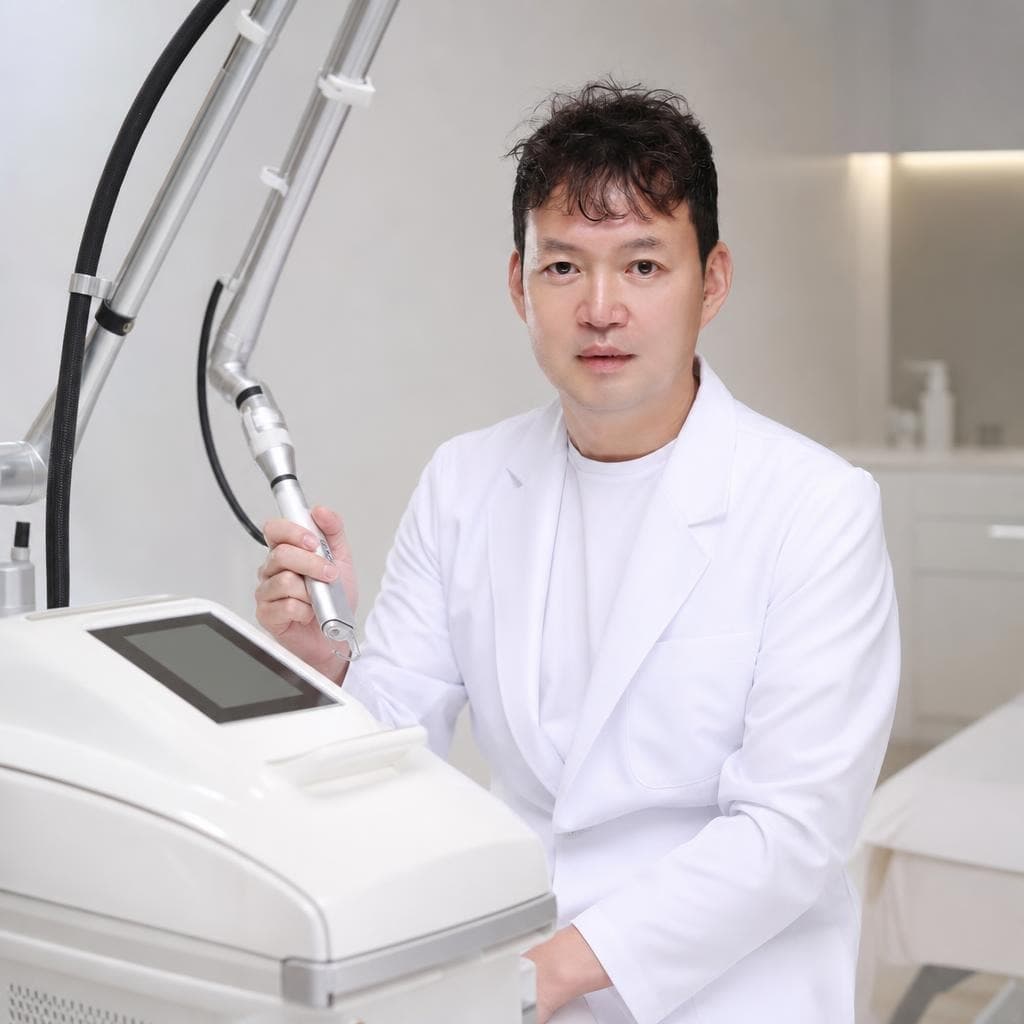
Should the method for trimming a beard be the same as the method for dealing with thick body hair on the arms and legs? The density of hair follicles, the thickness of the hair, and the thickness of the overlying skin vary from one area to another. Therefore, men's hair removal is a procedure where it is difficult to apply a single setting uniformly across the entire body.
Let's examine, in order, the conditions under which it should be considered, the principle by which it acts on hair follicles, and where the criteria differ by body area. If we also consider the subsequent recovery and management difficulty, the overall flow becomes clear. If you are looking for a dermatology clinic in Pyeongtaek, we recommend checking whether these criteria are explained during your consultation.
Under what conditions should it be considered?
If a dark shadow remains on the chin and neck even after shaving, it is often due to dense hair follicles with deep melanin pigment. When daily shaving is repeated on top of this, the skin barrier can become thinner. If this condition persists, it can lead to reactions such as folliculitis or pimples, so an increasing number of people are seeking men's hair removal to reduce repeated irritation.
Conversely, if the hair is fine and the density is low, there is no great reason to rush the procedure. If your skin tone is on the darker side or you have inflammatory acne, it is necessary to first check your skin condition. This is not a procedure recommended for everyone immediately; rather, it is an area where a decision is made after checking both hair follicle and skin conditions.

Reflecting on the characteristics of your hair and how much your lifestyle adds to irritation can also help in making a decision.
Principle of heat transfer to hair follicles
The basic principle is that heat generated when light is absorbed by pigment is transferred to the hair follicle structure. The properties of the light required also change depending on the depth at which the target pigment is located.
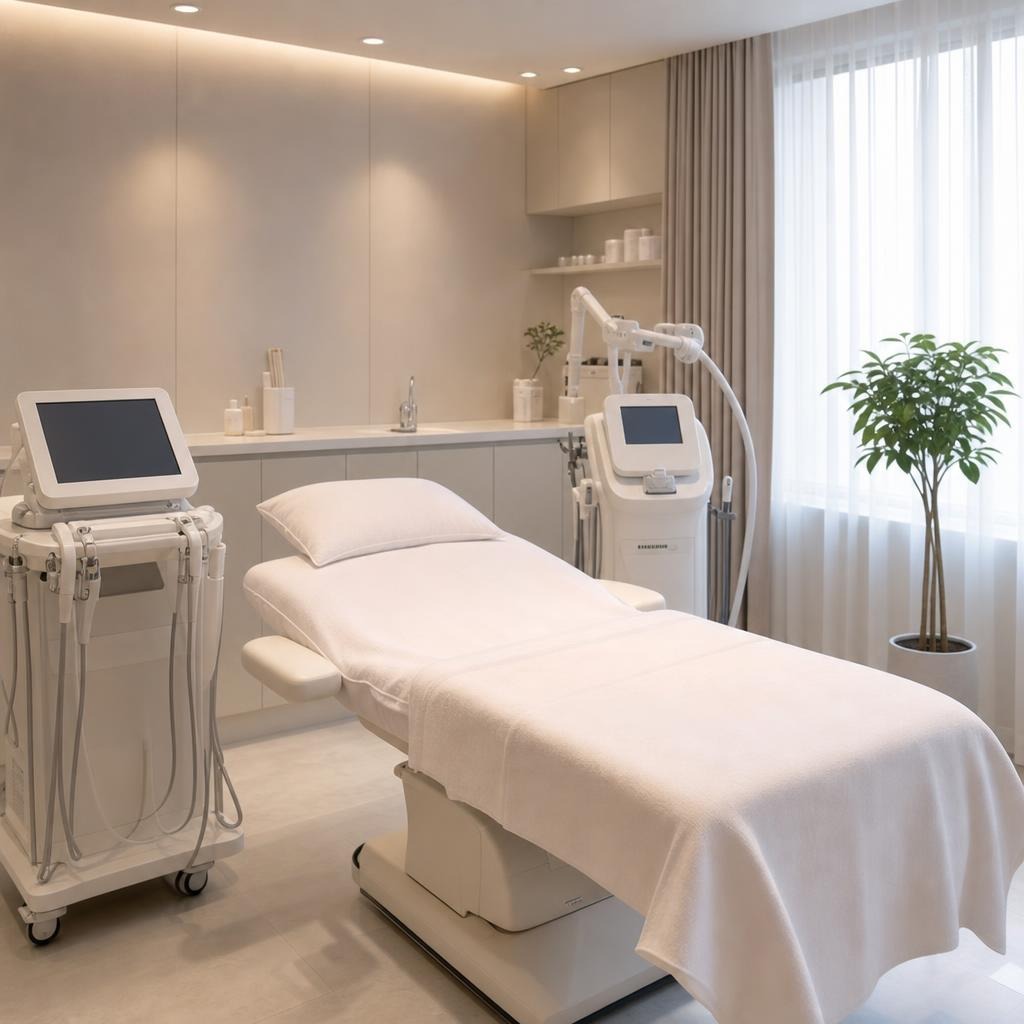
Shorter wavelengths primarily act on shallow hair follicles located close to the epidermis, while longer wavelengths tend to reach deeper layers. Some devices are equipped with both wavelengths. If a device uses both 755nm and 1064nm series, settings can be applied differently according to hair thickness and skin tone.
For thick, dark hair like a beard, it is often necessary to use a wavelength that reaches deep. For large areas to be treated at once, such as arms and legs, the speed of light emission and the cooling function become primary considerations.

The cooling device helps to suppress pain and heat stimulation, but it is not a device that completely eliminates the possibility of burns. Even when using the same principle, there remains a process of readjusting settings according to the hair follicle depth and density of each area, and the skin condition on the day of the procedure.
Where do the criteria differ by body area?
For thick, dense hair like a beard, heat often needs to be delivered deeply. For arms and legs, where a large area is treated at once, the treatment range and speed are primary criteria. For armpits or the neck, the skin is thin and reacts easily to irritation, so where to focus cooling becomes a greater concern than increasing output.

In darker skin, melanin may not only absorb light in the hair but also react in the epidermis. Therefore, the possibility of burns or discoloration should be calculated in advance. For the same reason, caution is advised immediately after tanning or after significant sun exposure. If inflammatory lesions such as folliculitis or pimples are present, calming them down may be the priority.
Because conditions vary in this way for each area, a men's hair removal plan is difficult to establish by applying a single setting uniformly everywhere. Hair color and density, and skin thickness vary from person to person, so a direct examination in the Consultation Room is necessary.

Recovery and management difficulty
The time required for recovery varies depending on the skin thickness of the area and the degree of irritation received. The face has thin and sensitive skin, so redness or slight stinging may remain immediately after the procedure. Areas with thicker skin, such as the arms and legs, are known to calm down relatively quickly.
Management difficulty also varies depending on how much sun exposure can be avoided in daily life.
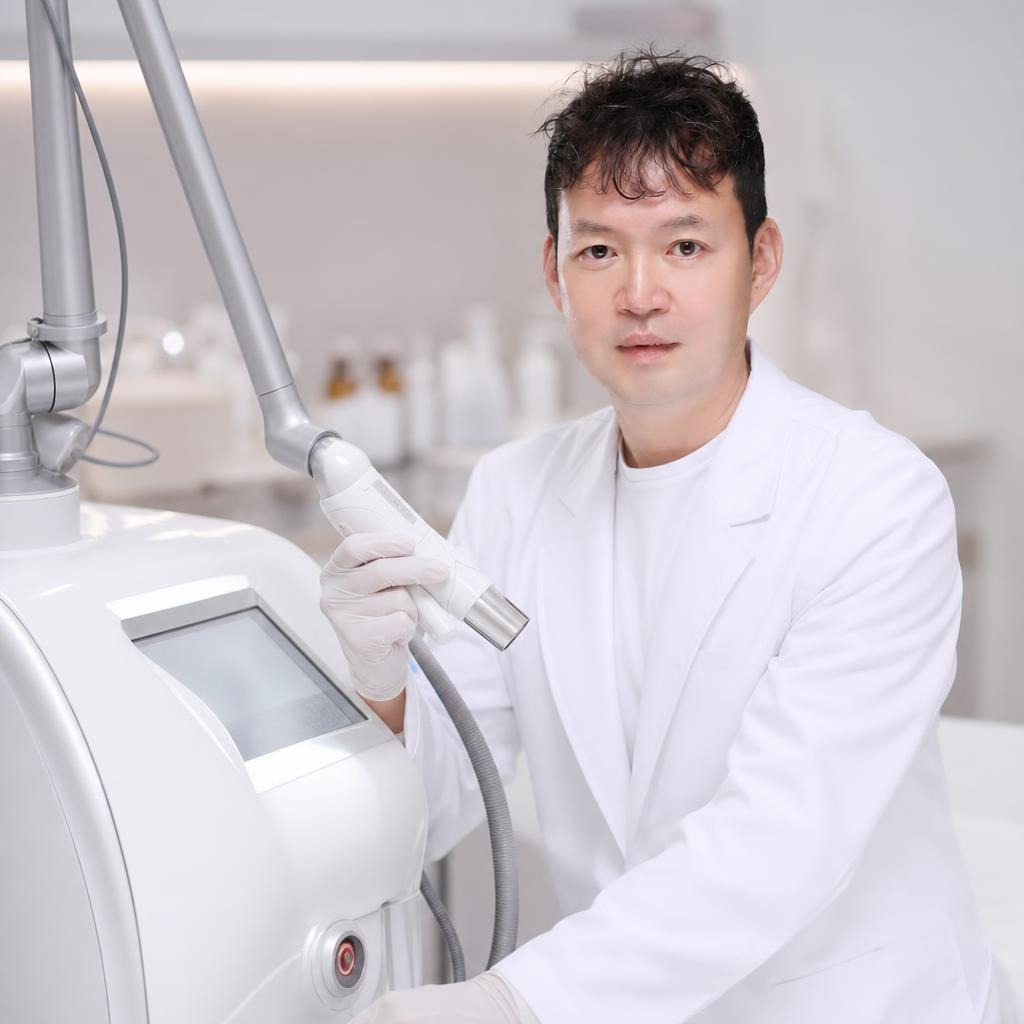
If direct sunlight frequently touches the treated area, the possibility of pigment remaining increases, so separate covering may be necessary. You may be advised to postpone activities such as bathing in hot water for a long time or exercises involving frequent friction for a few days. If you have a history of folliculitis or are prone to reacting easily to irritation, the required care period may be extended. In this case, a consultation to readjust the interval and output will also take place.
Things to inform about in advance during consultation
You should inform us in advance about any medications you are currently taking or applying, especially if you are using ingredients that can make you sensitive to light. The period during which you took Acne Treatment medication, a tendency towards dermatitis or keloids, and a history of recurrent herpes are also information used to determine settings and timing. If you have recently waxed or plucked hair with tweezers, the pigment in the hair follicles may have decreased, eliminating the target for heat, in which case the schedule may need to be adjusted.
Hair goes through alternating cycles of growth and rest, so not all hair follicles react at the same time in a single session. Therefore, it is usually advised to proceed with multiple sessions divided into 4-8 week intervals, and the interval also varies depending on the area and hair thickness. When you receive a consultation in Pyeongtaek, we recommend asking about the estimated number of sessions and intervals, and whether there is a plan to review the settings for each session.
Frequently Asked Questions
Can all areas be treated with the same settings in one session? This is difficult. Hair follicle depth, density, and skin thickness vary by area, so wavelength and cooling settings will be adjusted accordingly. Since there is cooling, should I not worry about burns? Cooling is a device that reduces irritation and does not completely eliminate risk, so you should also inform us about your skin tone and recent sun exposure. When can I exercise after the procedure? You are usually advised to postpone exercises involving a lot of friction and heat for a few days, and the period varies depending on the area and reaction, so it is best to check with your medical staff.
Even with the same settings, results may vary depending on skin condition, and the final decision should be made after a direct examination in the Consultation Room. If you are considering men's hair removal, we recommend first checking which area you are concerned about and what the condition of the skin in that area is. If you would like to confirm the criteria by area through a consultation in Pyeongtaek, you are welcome to inquire conveniently via Chat Consultation Shortcut.

References
- American Academy of Dermatology (AAD), Laser Hair Removal Procedure Guide
- U.S. Food and Drug Administration (FDA), Laser Hair Removal Device Safety Information
This article was reviewed by Park Min-soo, Lead Directors (7th President of the Korean Society for Laser Dermatology and Hair, Adjunct Professor at Hanyang University College of Medicine) and Lee Yu-seok, Lead Directors (Vice President of the Korean Society for Laser Dermatology and Hair, 20 years of clinical experience). Last reviewed 2026-09-26.