

After completing Brazilian hair removal treatments, as the sessions accumulate and the hair thins, there comes a period when the skin becomes noticeably more sensitive. Many people wonder why this particular area is so prone to irritation. Everyday habits, such as how you cleanse and moisturize, or what kind of clothes you wear, can influence the results of your subsequent hair management.
We will also discuss how easy it is to skip Sun Protection for this area because it is covered by clothing. If you notice symptoms that are different from usual, it might be time to consider a Consultation Room visit. We have organized the management guidelines one by one.

Why This Area Reacts Differently
Because the hair growth direction is uneven and densely packed, the reaction in this area tends to be sharper than elsewhere. The tissue around the hair follicles is tightly concentrated, making it easy for redness or stinging to occur even with light heat exposure.
Since this area is constantly in contact with clothes and underwear, friction can cause irritation to linger. It's also difficult to overlook that this area is prone to moisture accumulation. When sweat and heat build up, even small troubles can feel more significant. Because the skin is thin and nerves are densely packed here, the sensation of pain can also feel greater than in other areas.
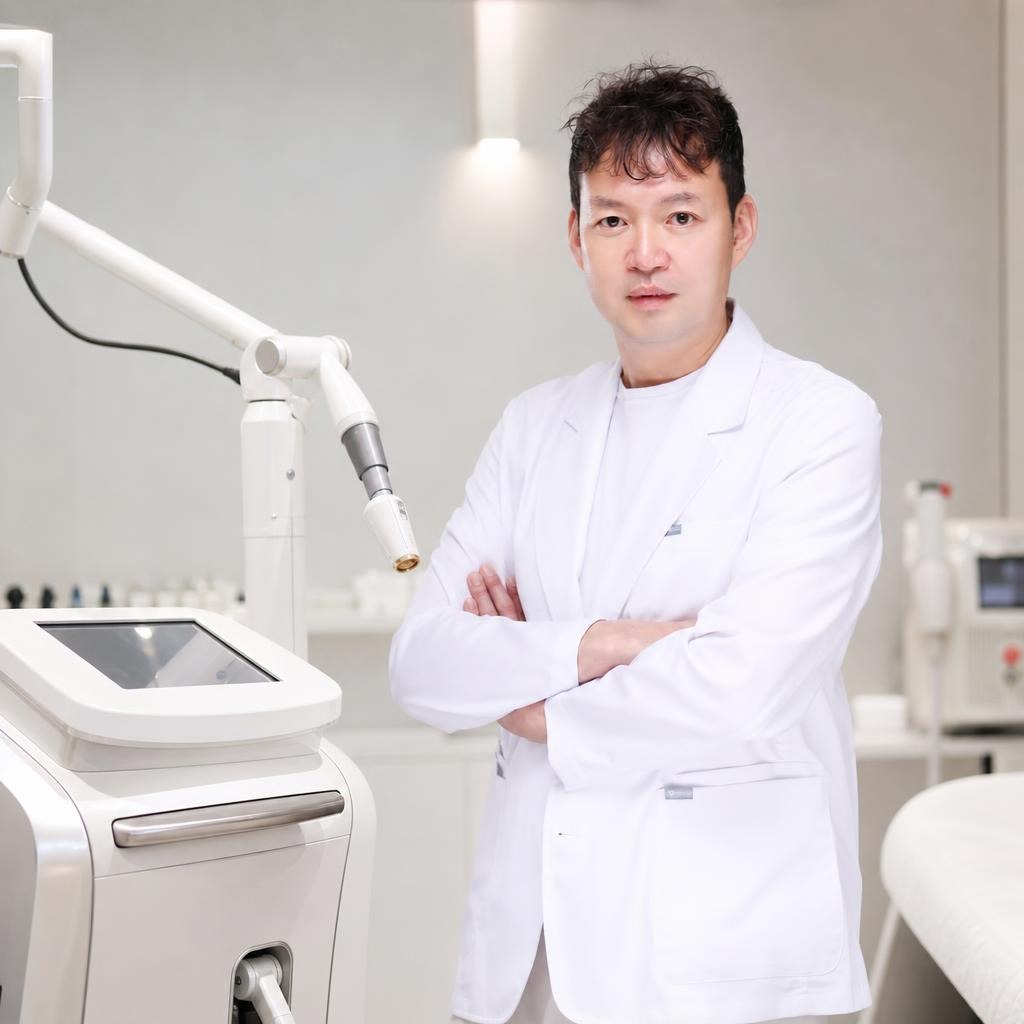
This is why even with the same care methods, this area reacts differently. It is also why separate care guidelines are needed after Brazilian hair removal.
Lifestyle Habits Change the Results
If you frequently wear tight-fitting clothes, repeated friction can prevent the area around the hair follicles from getting a break. The habit of not washing immediately after a sweaty workout can also affect skin condition. This is because prolonged moisture and heat create favorable conditions for troubles to arise.
However, if you frequently wash or exfoliate, the skin barrier can become thinner. Increasing the frequency of washing is not always helpful.
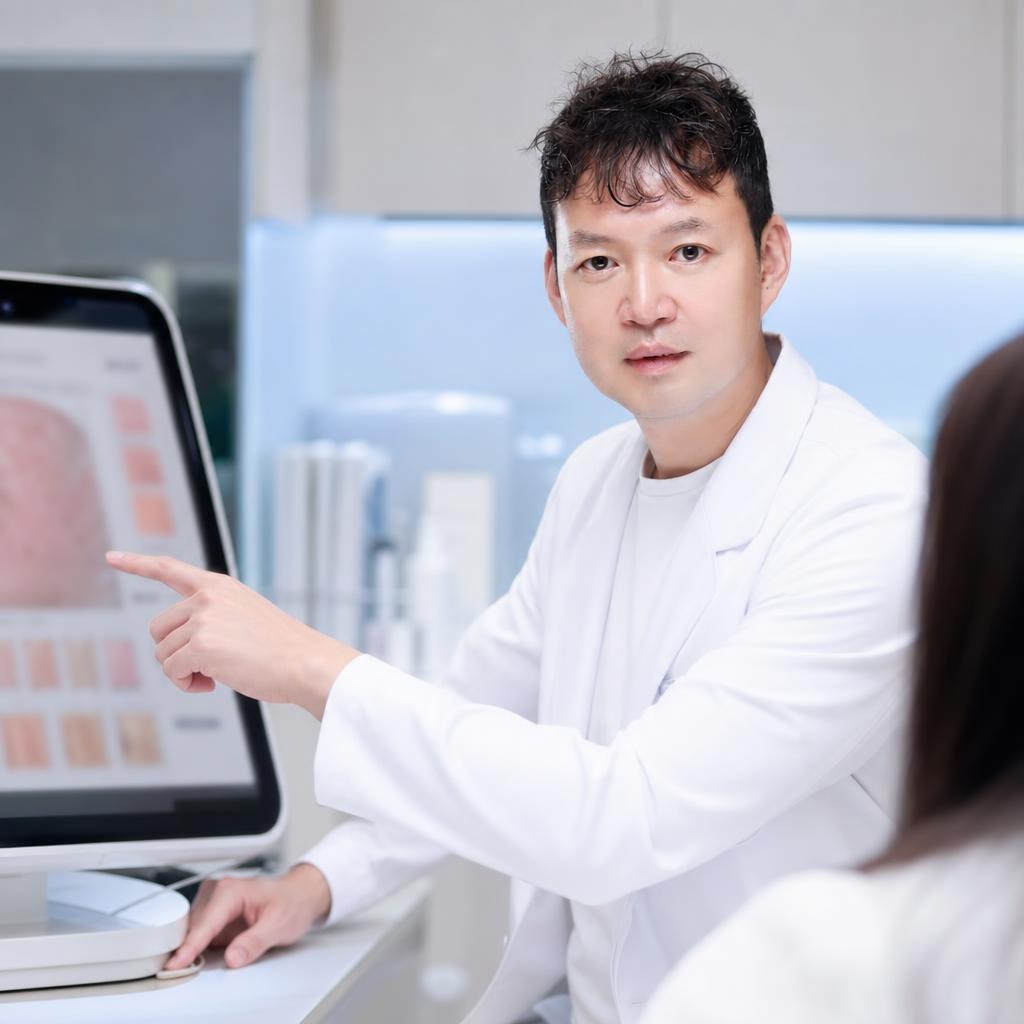
It is known that lack of sleep or continuous stress can also affect the skin's recovery ability. When overall body condition declines, the skin often becomes more sensitive as well. As these habits accumulate, differences in post-procedure care directions emerge.
Cleansing and Moisturizing Guidelines
Gentle cleansing with lukewarm water is fundamental. If the water is too hot, the skin barrier can become weakened, so it is better to lower the temperature first. For cleansers, products with gentle ingredients are less burdensome than those with strong fragrances or harsh irritants. Instead of scrubbing, gently cup your hands and let the water flow over the area to reduce irritation.

For moisturizing, it is known that applying it immediately after cleansing while the skin is still damp is beneficial for absorption. Choosing products without fragrance and alcohol can reduce the burden on sensitive skin. Instead of applying a thick layer at once, applying several thin layers may feel less burdensome. These two points form the foundation of post-Brazilian hair removal care.
Sun Protection is Also Necessary
It's easy to think that because it's covered by clothes, it's unrelated to UV rays, but in reality, situations of exposure often occur. Sun Protection may be necessary in summer swimming pools or under indoor lighting.
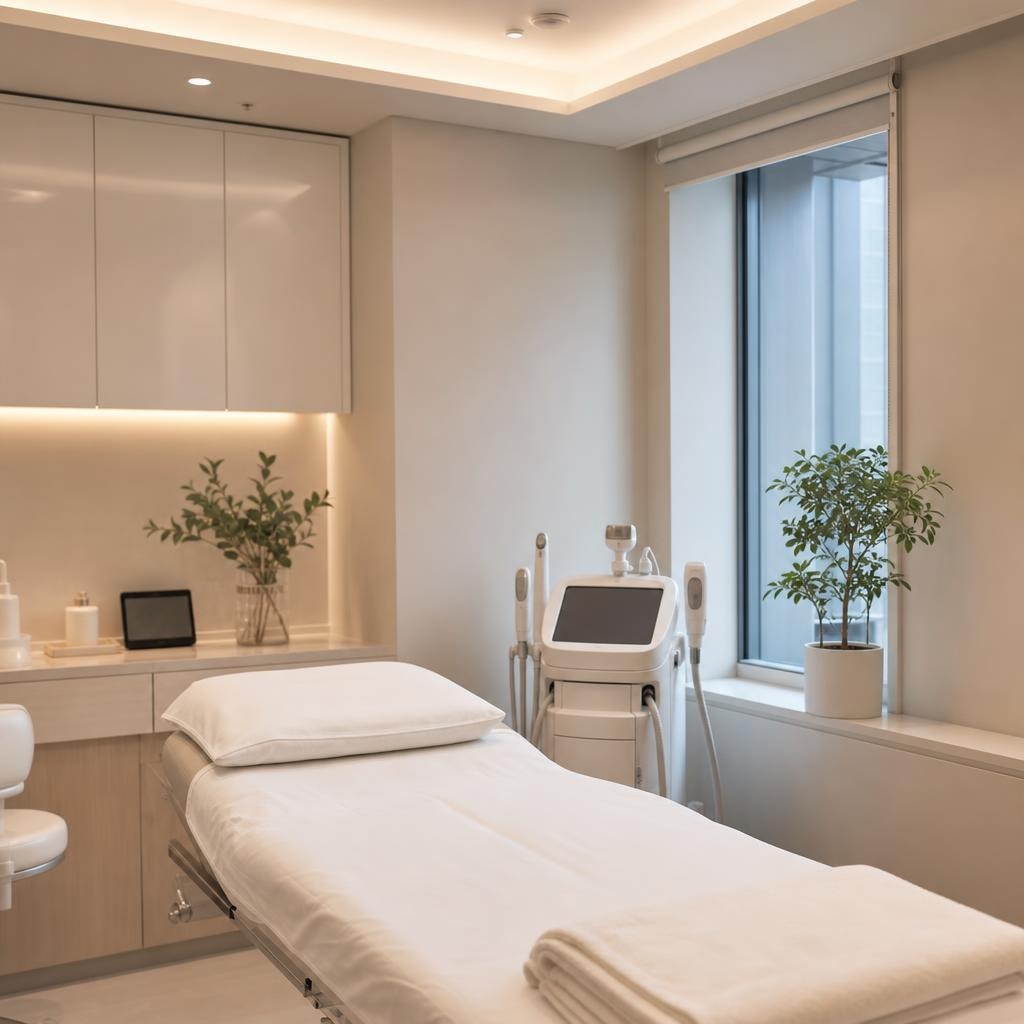
Skin immediately after heat exposure is known to be prone to leaving marks. Melanocytes are easily activated, increasing the possibility of marks even with short exposure. If your clothes are thin or there are exposed areas, the habit of applying sunscreen again can be helpful.
As it is a sensitive area, choosing a less irritating formulation is also a guideline. Opting for products primarily with mild ingredients can reduce the burden.
Signals to Consider a Consultation Room Visit
If redness or itching persists for more than a few days, it is better to have a Consultation Room visit.

Simple irritation often subsides with time, but if it persists for a long time, other causes should be investigated. If small bumps resembling folliculitis repeatedly appear and move to different spots, it may not be resolved with home care alone.
It is known that if inflammation penetrates deeper, it can lead to lasting marks, so it is better to check the condition early. If pain or a feeling of heat accompanies it, it is even safer not to delay. Symptoms of ingrown hairs, where hair curls inward, are also more appropriate to confirm in a Consultation Room rather than trying to resolve them alone.
Things to Check When Scheduling Your Next Session
Since hair growth and resting cycles alternate, not all hair follicles react at the same time in one session. Therefore, it is usually recommended to proceed with multiple sessions, and the interval may be adjusted according to how quickly the skin calms down. Recording how long redness lingered after the last session, or if there were frequent friction-causing outfits or exercise schedules, will be used when determining the next settings.
If you have waxed or plucked hair, the targets for heat will be reduced, so you may need to reschedule. When consulting for your next session in Pyeongtaek, we recommend sharing your current skin condition and past reactions. In a Pyeongtaek dermatology consultation, the interval and intensity will also be adjusted based on such records.
Frequently Asked Questions
My hair has thinned, can I reduce my care? The skin may be more sensitive when the hair is thinner, so it is best to continue soothing and moisturizing. Is Sun Protection necessary for areas covered by clothing? Moments of exposure occur, and pigmentation is easily left immediately after irritation, so applying sunscreen as needed can be helpful. What should I do if folliculitis recurs? There are cases where it cannot be resolved with self-care, so we recommend organizing the pattern and timing of recurrence and confirming it in a Consultation Room visit.
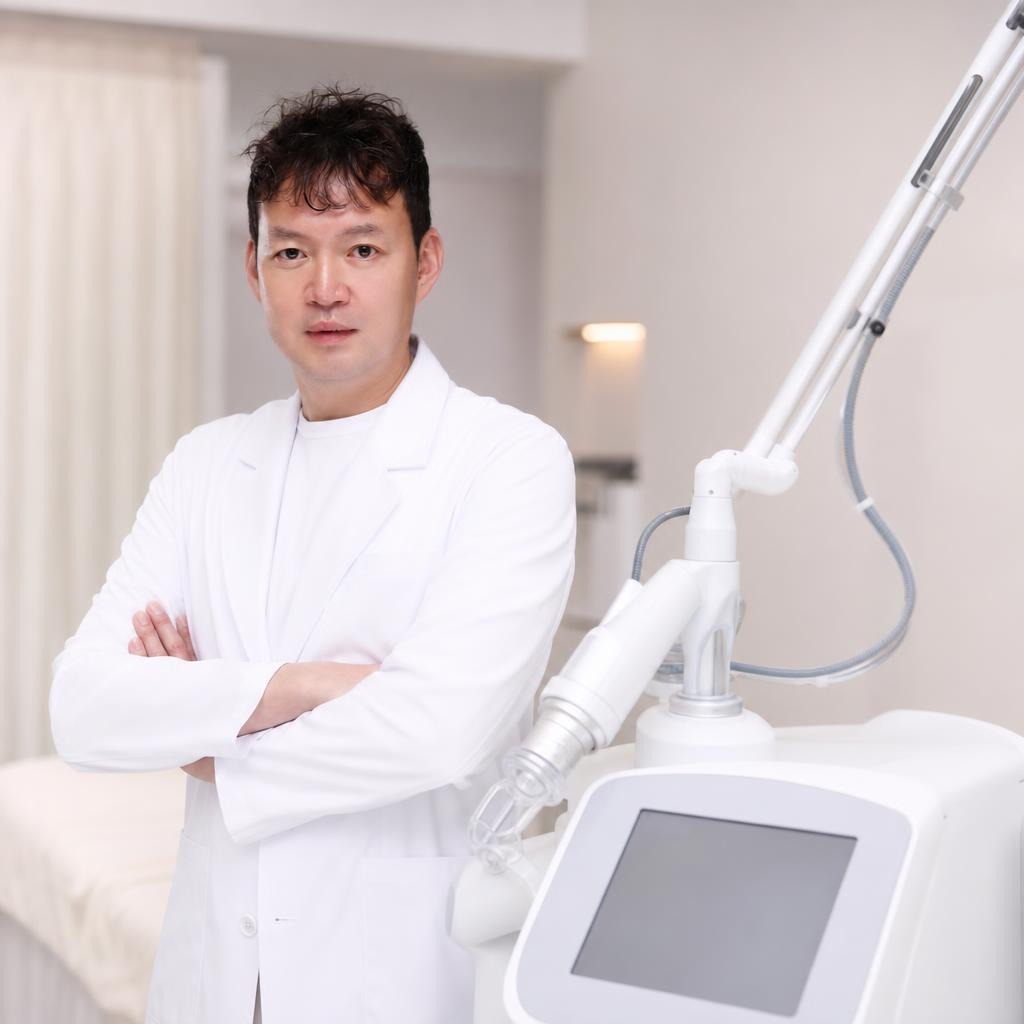
Even with the same method, results can vary depending on skin condition, and the final decision should be made after a direct examination in the Consultation Room. Post-Brazilian hair removal care guidelines involve three interconnected aspects: lifestyle habits, home care, and the ability to recognize abnormal symptoms. If you are looking for a Consultation Room in Pyeongtaek, we recommend checking your current skin condition and any recurring symptoms together. If you wish to discuss how to manage thinned hair and sensitive skin, please feel free to inquire via Go to Chat Consultation.
References
- American Academy of Dermatology (AAD), Post-Hair Removal Skin Care Guide
- U.S. Food and Drug Administration (FDA), Safety Information for Hair Removal Laser Devices
This article was reviewed by Lead Director Park Min-soo (7th President of the Korean Society for Laser Dermatology and Hair, Adjunct Professor at Hanyang University College of Medicine) and Lead Director Lee Yu-seok (Vice President of the Korean Society for Laser Dermatology and Hair, 20 years of clinical experience). Last reviewed 2026-09-26.